
On World Mental Health Day let’s talk about creating safe spaces online for ourselves and the people around us.
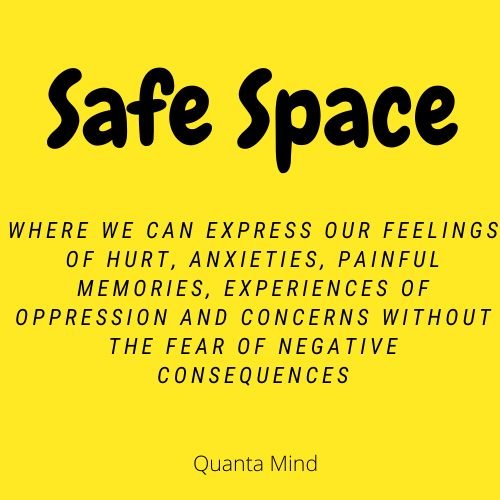
The Oxford Dictionary defines a safe space as “a place or environment in which a person or category of people can feel confident that they will not be exposed to discrimination, criticism, harassment or any other emotional or physical harm.” (Oxford Dictionary). In other words, a safe space is one where we can express our feelings of hurt, anxieties, painful memories, experiences of oppression and concerns without the fear of negative consequences. There is a particular loneliness in sharing something real something that cost you something to say and watching the room go cold. Most of us have felt it. And most of us learned, from that moment, to keep certain things to ourselves. Safe spaces exist to undo that learning. Here is what they actually require and how to build them, online and off.
So many of us turn to social media for sharing our stories and feelings. We do that with the trust that those listening to our story will support us and not tear us down for our inadequacies. However, we have seen many examples where people have been attacked online for sharing stories on social media where the followers were not intimate friends, and the ones following were not always able to support them. As we spend more and more time on social media, creating online safe spaces becomes critical for our mental health.
Challenges in Creating Safe Spaces
Creating safe online spaces can be challenging because of several factors. For example, anonymity and ease of access for connecting and communicating with people worldwide can potentially help create safe online spaces. However, not knowing whom we are sharing our experiences with could also result in an unsafe environment.
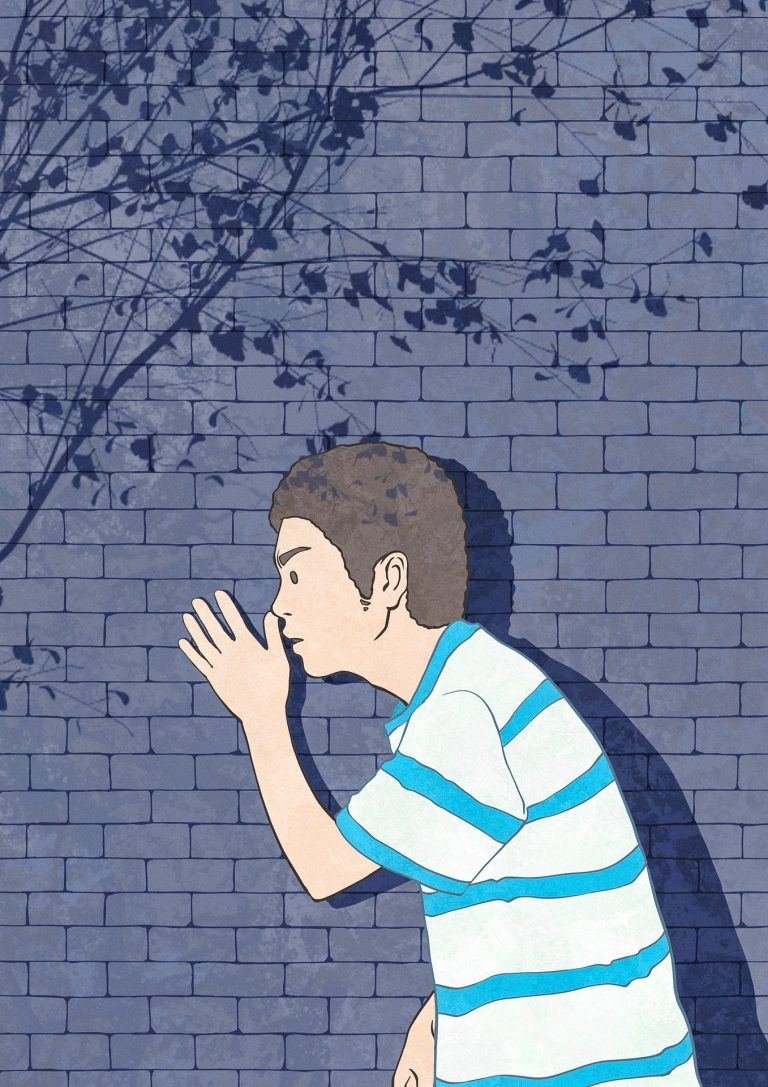
Who is listening to our story, and how will they use the information? Who do we turn to for help when our space is violated?
Tips to Ensure Safe Online Spaces
Here are some tips we can follow to ensure safe online spaces for ourselves and others where we can support each other with care and compassion:
- Trust is at the heart of a safe online community. Make sure the members know and trust each other. Before sharing your story, know who is included and how people listen to and respond to what is shared in the online community.
- Have a set of rules or guidelines that everyone agrees to for an inclusive, positive, non-judgemental, caring, interactive and challenging online space so that healthy and meaningful discussions can occur.
- Ask questions not to find flaws but to learn more about each other. Make an effort to understand others’ cultural, religious and moral views that have shaped their thinking.
- Avoid mocking or sarcastic remarks in online spaces, especially when someone shares an experience where they were vulnerable.
- Disagree respectfully by expressing an opinion without attaching judgement to the people involved.
- Do not share others’ stories (including pictures and screenshots) outside the online space where they were shared without consent.
- Acknowledge everyone for what they bring to the space. Everyone must feel heard.
- Call out people for their harmful behavior from a place of kindness and curiosity. Offer help if you can.
- Use inclusive language (e.g. pronouns) without assumptions about other people and their identities.
Remember, online spaces are not battlefields; instead, they are spaces for connection and conversation. We can all use a little compassion.
Safe spaces are not just online
The same principles apply in every relationship you hold. The person across from you at dinner, your child who stopped telling you things, the friend who always says “I’m fine.” Every interaction is either building psychological safety or eroding it. The question worth sitting with: are the people in your life able to bring their real selves to you? And are you able to bring yours to them?
This is some of the work we do at Quanta Mind creating the internal conditions where a person feels safe enough to look at what they have been carrying.
Creating a safe space for others begins with creating one for yourself; a relationship with your own inner experience where nothing is too small to notice and nothing is too much to hold. If that feels far from where you are right now, that is exactly where this work begins.